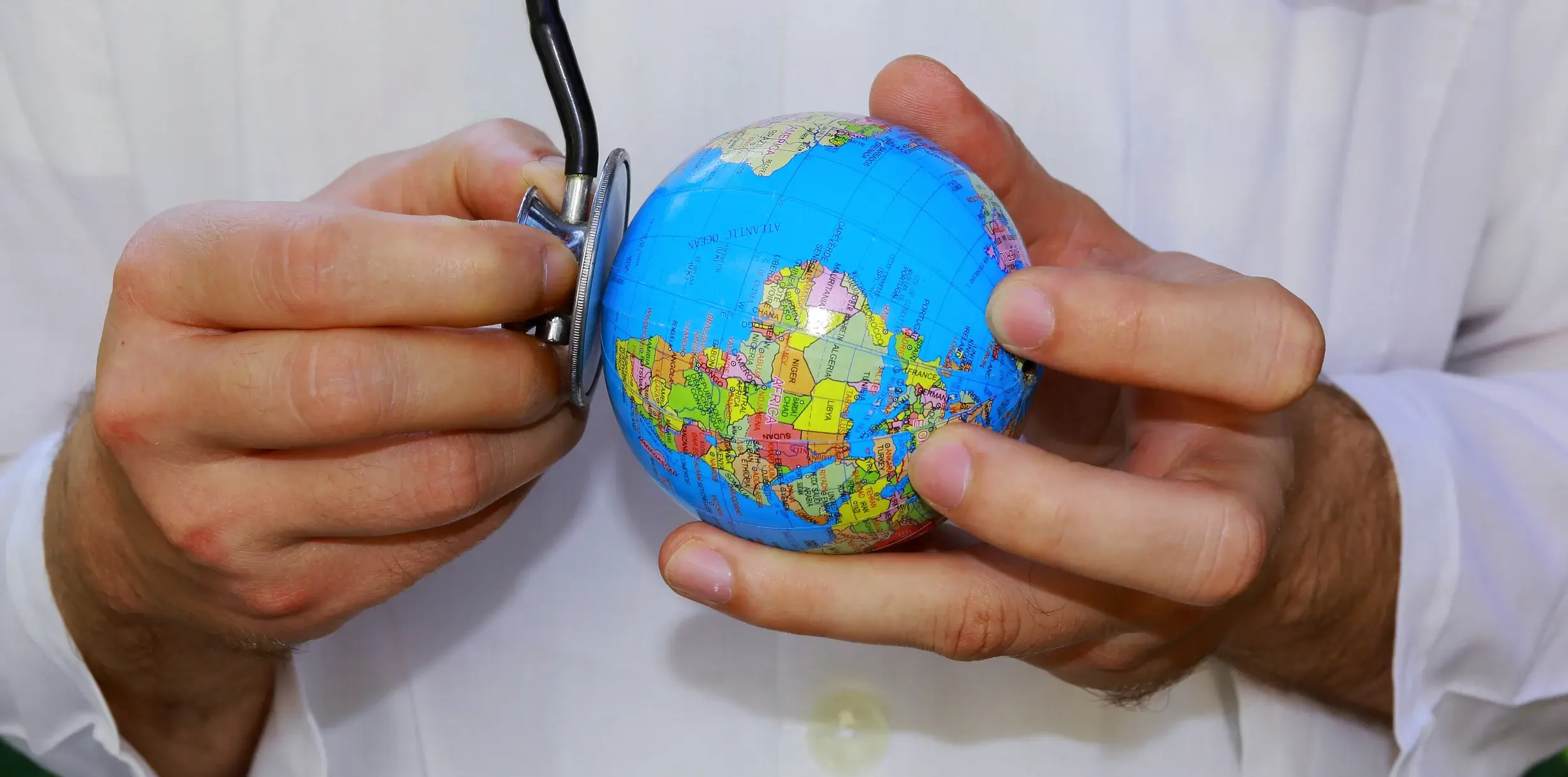
The seventh cholera pandemic, caused by the El Tor strain, has been ongoing since 1961, claiming millions of lives worldwide. In January 2023, the WHO declared the latest cholera resurgence a grade 3 emergency, noting that over 500,000 cases and 4,007 deaths were recorded, especially in Afghanistan, Haiti, and the Democratic Republic of the Congo—a 71% increase in mortality compared to the prior year. Despite this, cholera remains a low priority in global health and political agendas, largely due to failures in implementing effective water, sanitation, and hygiene (WASH) practices. Though Sustainable Development Goal 6 calls for universal access to safe water and sanitation, WHO data from 2020 revealed that 2 billion people still lack access to safe drinking water, with only 54% of the global population using safe sanitation. Many rely on informal, underfunded WASH solutions, which inadequately address both cholera and other diseases associated with poor sanitation, disproportionately affecting marginalized communities.1
References
- Lancet, N. (2024). Cholera: a pandemic ignored. The Lancet, 404(10462), 1493. https://doi.org/10.1016/s0140-6736(24)02305-5
Disclaimers
- The material in these reviews is from various public open-access sources, meant for educational and informational purposes only
- Any personal opinions expressed are those of only the author(s) and are not intended to represent the position of any organization(s)
- No official support by any organization(s) has been provided or should be inferred