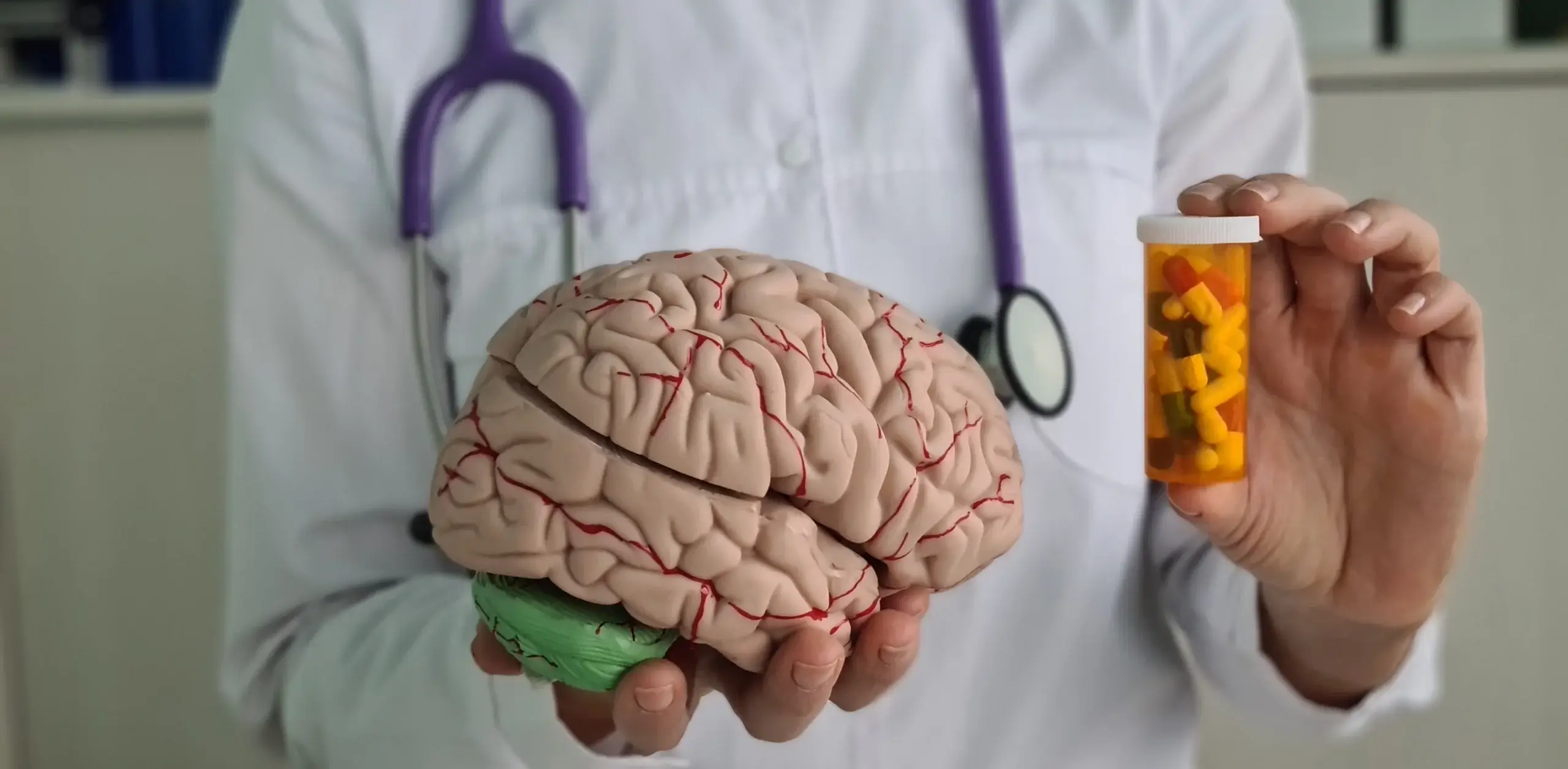
In a groundbreaking study published in Nature on March 26, 2025, researchers at Johns Hopkins Medicine, in collaboration with UTHealth Houston, unveiled how one of the brain’s most vital receptors—AMPA—opens its channels in response to the neurotransmitter glutamate. Using advanced cryo-electron microscopy (cryo-EM), the team captured this molecular ballet in real time, revealing how these receptors—essential to learning, memory, and brain plasticity—operate at body temperature.
Why does this matter to GMDP Academy students and pharmaceutical professionals? Because understanding how glutamate and AMPA receptors interact provides crucial insights into neurological conditions such as epilepsy and intellectual disabilities. These findings can inform the development of targeted therapies—an area of growing importance in pharmaceutical medicine.
Dr. Edward Twomey and his colleagues discovered that glutamate acts like a key, causing the receptor to “clamshell” shut around it, opening the ion channel for electrical signaling in neurons. The implications are far-reaching: not only can we design more effective anti-epileptic drugs like perampanel, which blocks this channel, but we also open the door to treatments that may enhance or modulate cognitive functions.
This discovery aligns perfectly with the learning outcomes of GMDP Academy’s Module 3: Drug Discovery, Exploratory and Confirmatory Development, where students explore the journey of a drug from molecule to market. GMDP Academy’s curriculum emphasizes the translation of advanced biomedical research into real-world therapeutic solutions. As pharmaceutical development increasingly demands interdisciplinary expertise—from neurobiology to AI-driven modeling—the insights gained from cryo-EM imaging reinforce the importance of lifelong learning and competency-based education, as emphasized in our 2024 review of the GMDP–King’s College collaboration.
In summary, research into AMPA receptor function is more than an academic milestone—it’s a real-time example of how molecular biology, imaging technology, and pharmaceutical science intersect. It’s the kind of innovation that GMDP Academy prepares its learners to understand, apply, and lead.
References
Kumar Mondal, A., Carrillo, E., Jayaraman, V., & Twomey, E. C. (2025). Glutamate gating of AMPA-subtype iGluRs at physiological temperatures. Nature. https://doi.org/10.1038/s41586-025-08770-0
Silva, H., Stonier, P., Chopra, P., et al. (2024). Blended e-learning and certification for medicines development professionals: results of a 7-year collaboration between King’s College, London and the GMDP Academy, New York. Frontiers in Pharmacology, 15, 1417036. https://doi.org/10.3389/fphar.2024.1417036
Disclaimers
- The material in these reviews is from various public open-access sources, meant for educational and informational purposes only
- Any personal opinions expressed are those of only the author(s) and are not intended to represent the position of any organization(s)
- No official support by any organization(s) has been provided or should be inferred