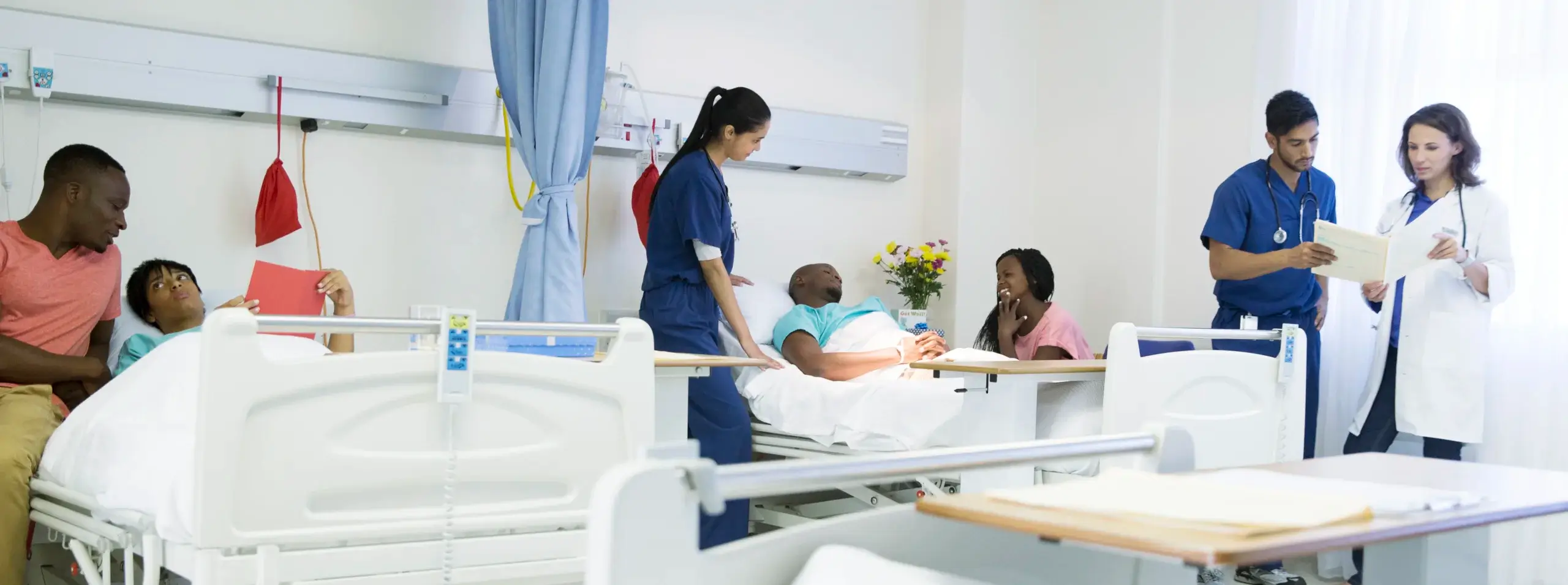
Rare diseases (RD) are a health priority worldwide, as they affect hundreds of millions of people. Early and accurate diagnosis is crucial for clinical care, but remains challenging in low- and medium-income countries, leading to a significant burden of undiagnosed RD (URD) cases. To identify unmet needs and opportunities for URD patients, the Developing Nations Working Group of the Undiagnosed Diseases Network International (DNWG-UDNI) conducted a survey among members from 20 countries. The results revealed that scientific and medical centers are making efforts to address patient needs, but resource scarcity remains a major hindrance, affecting diagnostic expertise and research availability. Inequities in service accessibility within and between countries were also observed. Regulatory issues, including informed consent, DNA sample transfer, intellectual property, and conflicts of interest, were concerns. The study emphasizes the importance of enhancing international cooperation for data sharing, clinical research, and diagnostic expertise to benefit URD patients in low- and medium-income countries.1
Read the full article here.
References
- Taruscio, D., Salvatore, M., Lumaka, A., Carta, C., Cellai, L. L., Ferrari, G., Sciascia, S., Groft, S. C., Alanay, Y., Azam, M., Baynam, G., Cederroth, H., La Paz, E. M. C., Dissanayake, V. H. W., Giugliani, R., Gonzaga-Jauregui, C., Hettiarachchi, D., Kvlividze, O., Landouré, G., . . . Posada, M. (2023). Undiagnosed diseases: Needs and opportunities in 20 countries participating in the Undiagnosed Diseases Network International. Frontiers in Public Health, 11. https://doi.org/10.3389/fpubh.2023.1079601
Disclaimers
- The material in these reviews is from various public open-access sources, meant for educational and informational purposes only
- Any personal opinions expressed are those of only the author(s) and are not intended to represent the position of any organization(s)
- No official support by any organization(s) has been provided or should be inferred