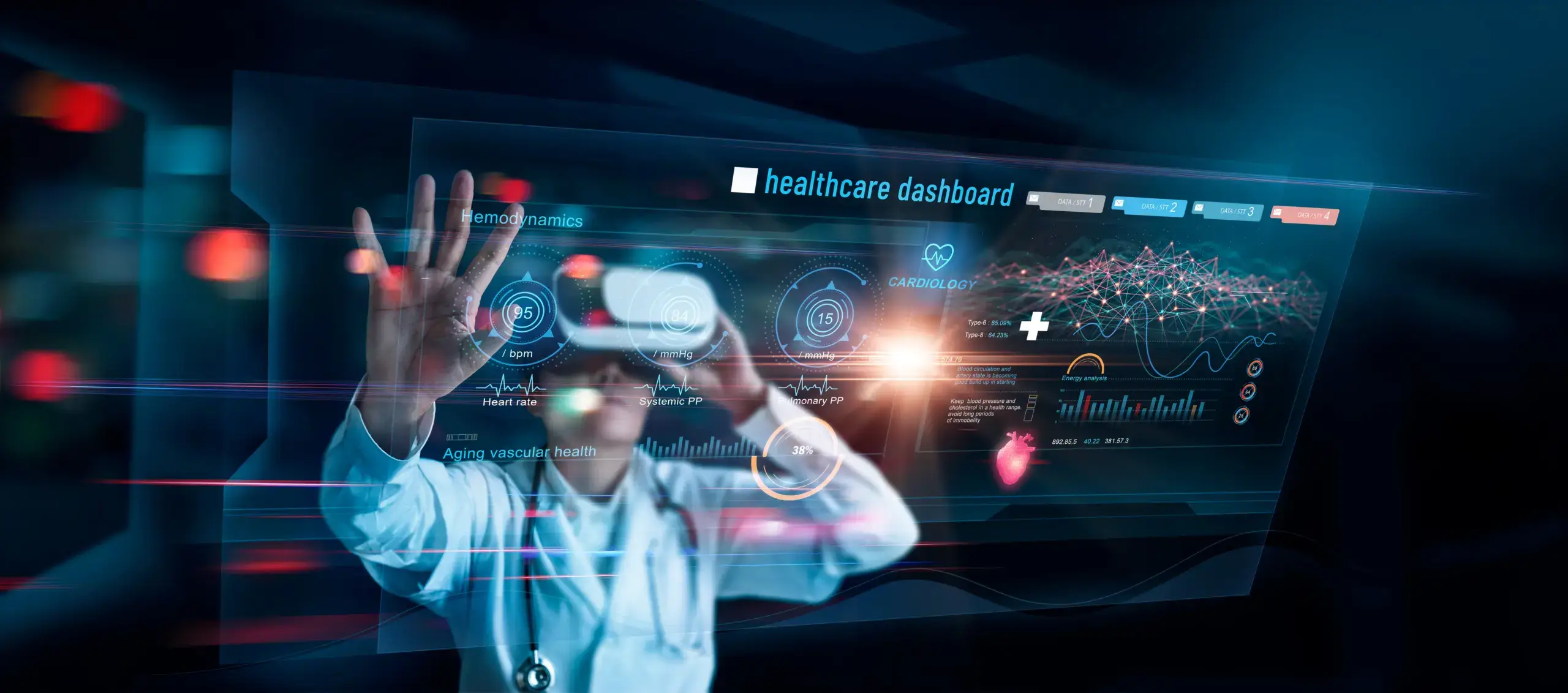
The integration of artificial intelligence (AI) into medicine involves utilizing machine learning models to analyze medical data, extracting valuable insights to enhance health outcomes and patient experiences. Recent advancements in computer science and informatics have rapidly established AI as an essential component of contemporary healthcare. In clinical settings and ongoing research, AI algorithms and applications play pivotal roles, with primary applications currently centered around clinical decision support and imaging analysis.
Clinical decision support tools empower healthcare providers to make informed decisions regarding treatments, medications, mental health, and other patient needs. These tools offer quick access to relevant information or research, aiding medical professionals in their decision-making process. In the realm of medical imaging, AI tools are employed to scrutinize CT scans, x-rays, MRIs, and other images, identifying lesions or other findings that might escape human radiologists’ notice.
The challenges posed by the COVID-19 pandemic prompted healthcare organizations worldwide to field-test novel AI-supported technologies. These include algorithms for patient monitoring and AI-powered tools designed for the screening of COVID-19 patients. Ongoing research is consolidating the findings from these tests, while the standards for AI’s overall use in medicine continue to evolve. Despite this ongoing definition, the expanding opportunities for AI to benefit clinicians, researchers, and patients are evident. It is increasingly clear that AI is poised to become an integral component of digital health systems, shaping and supporting modern medicine.1
Read more here.
References
- Artificial Intelligence in Medicine | IBM. (n.d.). https://www.ibm.com/topics/artificial-intelligence-medicine
Disclaimers
- The material in these reviews is from various public open-access sources, meant for educational and informational purposes only
- Any personal opinions expressed are those of only the author(s) and are not intended to represent the position of any organization(s)
- No official support by any organization(s) has been provided or should be inferred