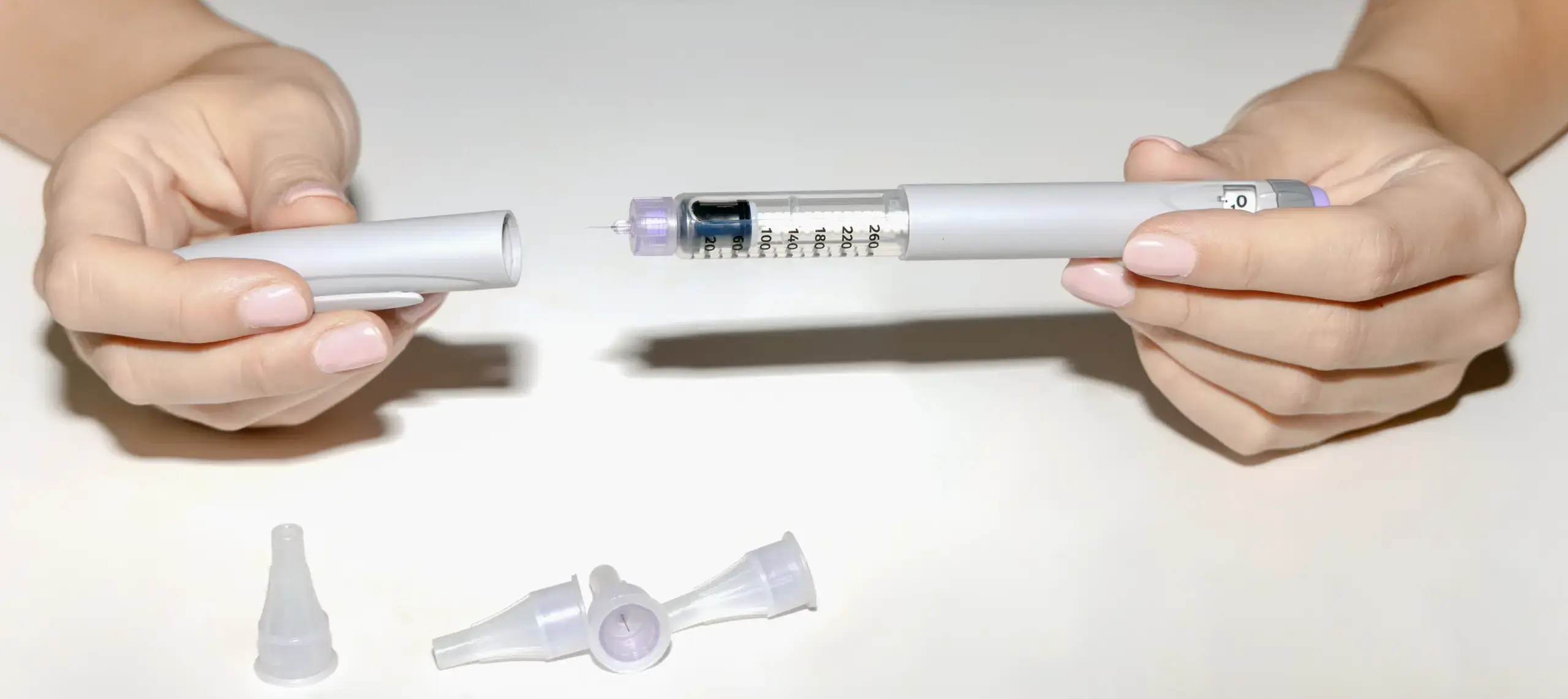
Regulatory authorities, in their multifaceted roles, oversee the quality of pharmaceuticals in the market and periodically issue warnings regarding counterfeit drugs—a significant concern demanding heightened vigilance towards the quality and origin of our medications. Recently, the European Medicines Agency (EMA) issued a cautionary notice, revealing that pre-filled pens falsely labeled as the diabetes medication Ozempic (semaglutide, 1 mg, solution for injection) have been discovered at wholesalers in the EU and the UK. These mislabeled pens, featuring German labels, originated from wholesalers in Austria and Germany.
The falsified pens possess batch numbers, 2D barcodes, and unique serial numbers sourced from authentic Ozempic packs. The EU employs a system where each medicine pack is assigned a unique 2D barcode and serial number, facilitating tracking across the EU. Upon scanning the falsified Ozempic packs, operators detected inactive serial numbers, raising suspicions of potential falsification.
Visual disparities between the falsified and original pens further distinguish them. The German medicines agency has published an image of the fraudulent pen. Importantly, there is no evidence of counterfeit pens being dispensed to patients from legitimate pharmacies, and no reports of harm to patients in connection with the falsified medicine.
The matter is currently under investigation by EU medicines regulatory authorities and law enforcement. The EMA is actively supporting national authorities in their inquiries. Wholesalers and pharmacies in affected countries have been alerted to be cautious of dubious Ozempic offers. Parallel distributors throughout the EU have also been notified.
Meanwhile, the German and Austrian regulatory authorities have issued statements of non-compliance with good distribution practices (GDP) to the implicated wholesalers in their respective countries for failing to adhere to required procedures, including security measures. The EMA is closely monitoring the situation and pledges to provide updates as necessary.
These reports of falsification come amid a surge in demand for Ozempic, leading to a shortage situation.1
Read the full warning here.
References
- Ema. (2023, October 18). EMA alerts EU patients and healthcare professionals to reports of falsified Ozempic pens – European Medicines Agency. European Medicines Agency. https://www.ema.europa.eu/en/news/ema-alerts-eu-patients-healthcare-professionals-reports-falsified-ozempic-pens
Disclaimers
- The material in these reviews is from various public open-access sources, meant for educational and informational purposes only
- Any personal opinions expressed are those of only the author(s) and are not intended to represent the position of any organization(s)
- No official support by any organization(s) has been provided or should be inferred