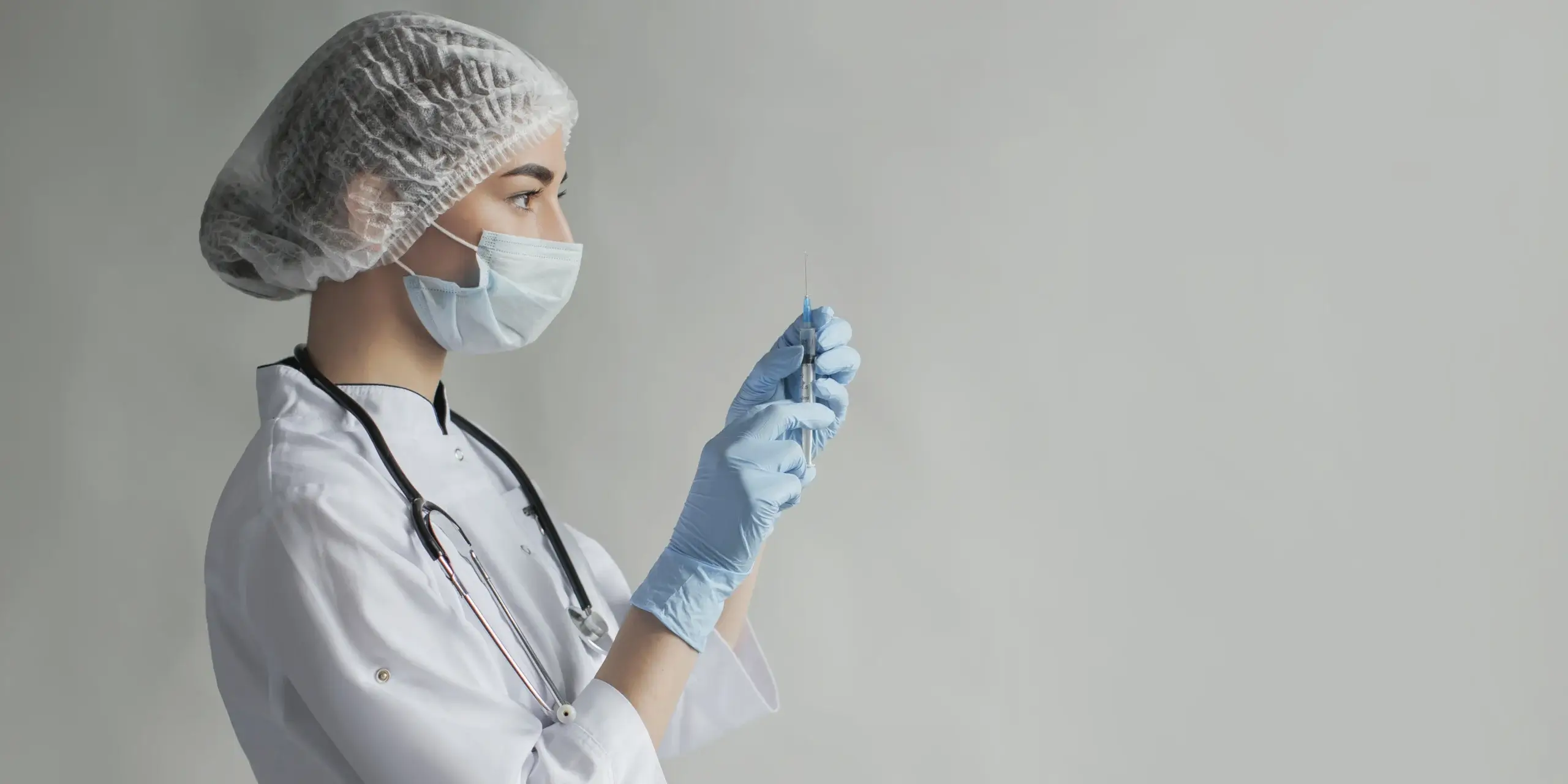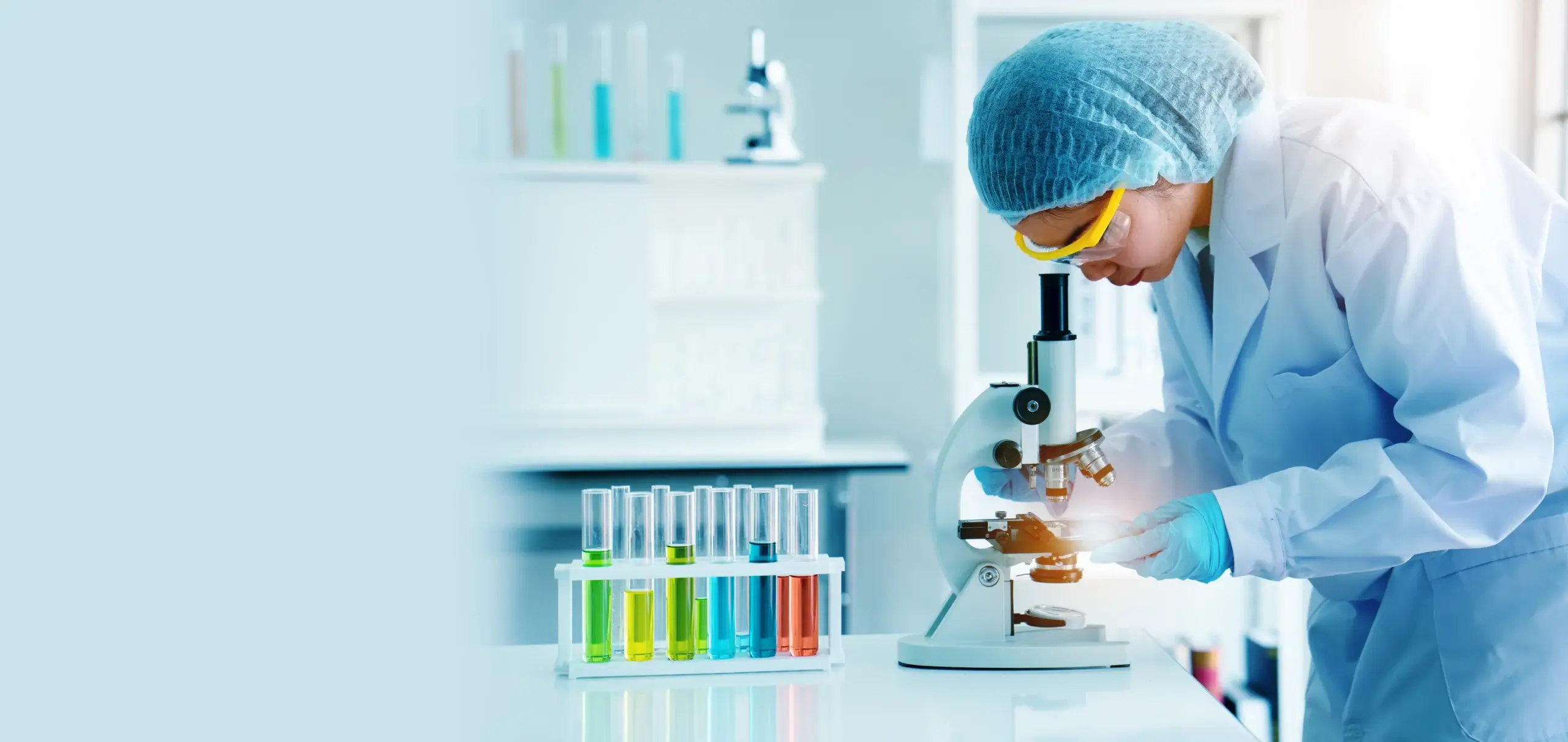
In an era where traditional cancer treatments often bring harsh side effects, researchers at the University of Washington (UW) are revolutionizing cancer care with novel therapeutic approaches. These advancements aim not only to eliminate cancer cells but also to restore healthy tissue, offering hope for better patient outcomes¹.
As researchers like Miqin Zhang and Dr. Avik Som push the boundaries of personalized medicine, the demand for professionals skilled in advanced drug development is rising. Institutions like the GMDP Academy provide essential training through their Certification in Medicines Development (CMD) program. This program equips professionals with expertise in medicines development, including drug discovery, clinical trials, regulatory affairs, and medical affairs².
The Challenge with Conventional Cancer Treatments
Current cancer treatments, including chemotherapy and radiation, focus on eradicating cancer cells but often harm healthy tissue in the process. This damage can result in debilitating side effects, significantly impacting patients’ quality of life. Recognizing this challenge, two UW researchers, Zhang and Som, are pursuing innovative strategies that blend cancer treatment with tissue restoration¹.
Nanoparticle-Based Immunotherapy
Miqin Zhang, a professor of materials science and engineering at UW, has developed biocompatible nanoplatforms designed for both cancer diagnosis and treatment. Her research focuses on the use of nanoparticles to deliver immunotherapies directly to cancer cells. These nanoparticles, which are engineered to release their therapeutic payloads under specific conditions, help trigger immune cells to target and destroy drug-resistant tumors and metastases¹.
“Our nanoparticles offer a dual benefit,” Zhang explains. “They not only provide targeted drug delivery to minimize toxicity but also support personalized medicine by adapting to a patient’s specific genetic profile¹.”
Interventional Radiology Meets Cancer Therapy
Dr. Avik Som, an assistant professor and interventional radiologist, is advancing the precision of cancer treatment through minimally invasive techniques. His work involves inserting materials directly into tumors using small needles, bypassing the need for extensive surgery. Dr. Som’s research focuses on materials that can first release cancer-fighting agents and subsequently promote the regrowth of healthy tissue¹.
“By combining precision targeting with tissue-engineering techniques, we can reduce the harmful effects associated with traditional cancer treatments,” says Som. “For instance, a material implanted into a tumor can be designed to first kill the cancer cells and then promote healing in the surrounding healthy tissue¹.”
Collaborative Research for Future Impact
The collaboration between Zhang and Som is a testament to the power of interdisciplinary research. Their combined expertise—Zhang’s mastery of nanotechnology and Som’s specialization in interventional radiology—could pave the way for groundbreaking treatments that are both effective and less harmful¹.
The field of drug development is becoming increasingly interdisciplinary, with breakthroughs like these requiring both scientific knowledge and regulatory expertise. The GMDP Academy offers a comprehensive CMD program designed to train professionals in key areas of drug development, including biocompatible therapies and personalized medicine².
Toward a New Era in Cancer Care
As the world observes World Cancer Day, UW’s research highlights a critical shift in cancer care. The goal is no longer just to extend life but to improve its quality by reducing the collateral damage of cancer treatment¹. By integrating targeted therapies with tissue regeneration, Zhang and Som’s work offers a glimpse into the future of personalized, patient-centered oncology¹.
Their efforts are supported by grants from the Kuni Foundation and the National Institutes of Health, demonstrating the growing recognition of the need for innovative solutions in cancer treatment¹. For those aspiring to contribute to groundbreaking work like this, the GMDP Academy’s Certification in Medicines Development program offers an ideal pathway to acquire essential skills in drug discovery, clinical research, regulatory science, and medical affairs².
References
¹ McQuate, S. (2025, February 3). Q&A: UW researchers are designing cancer therapeutics that can kill cancer cells and restore healthy tissue. UW News. Retrieved from https://www.washington.edu/news/2025/02/03/uw-researchers-designing-cancer-therapeutics-can-kill-cancer-cells-restore-healthy-tissue/
² GMDP Academy. (2025). Certification in Medicines Development (CMD). Retrieved from https://gmdpacademy.org/certification-programs/certification-in-medicines-development/
Disclaimers
- The material in these reviews is from various public open-access sources, meant for educational and informational purposes only
- Any personal opinions expressed are those of only the author(s) and are not intended to represent the position of any organization(s)
- No official support by any organization(s) has been provided or should be inferred