
In the pharmaceutical and medicines development field, the impact we make extends far beyond metrics and milestones—it touches the lives of patients, communities, and entire healthcare systems. This essay, selected as a top submission from the 2024 cohort of CMD students, exemplifies how a purpose-driven, patient-centered approach can shape a career that bridges clinical care, social advocacy, and industry impact.
Katy Bernock’s journey—from her early experiences with healthcare, to community-based advocacy, to clinical innovation, and finally into medical affairs—illustrates how diverse experiences and a steadfast commitment to purpose can inform and amplify the work of medicines development professionals. Her story underscores a critical lesson for our field: the most meaningful impact comes when expertise, empathy, and innovation converge.
We are pleased to feature Katy’s essay in its entirety.
Childhood and Early Exposure to Medicine
My path into medicines development has indeed been circuitous. However, in retrospect, this nonlinear path was defined more by seeking that “purpose” discussed in the lectures on professional identity than any linear path would ever have been. My familiarity with medicine arose from my own frequent contact with the healthcare system as a child. I had a birth deformity and frequent trips to the doctor, surgeries, and residents crowding around just seemed normal. Medical school was a natural decision.
Humanities and a Shift in Perspective
However, as fate would have it, instead of choosing a renowned neuroscience program as planned, I chose the university that gave me the largest scholarship – University of San Francisco. A poet from childhood in classes where most students were blindly pursuing science, I yet again shifted course to major in creative writing and an honors program in the humanities where the classes held a passion rarely seen at universities. After the housing bubble burst, the epidemic of homelessness was right in front of me. Unable to turn a blind eye to it, I chose to intern for a newspaper sold by persons experiencing homelessness. I worked at non-profits advocating for affordable housing, building peace via grassroots interfaith dialogue, and a torture treatment center. The passion of my co-workers and the sense of meaning from being a part of such mission driven work was incomparable.
Personal Tragedy and Reflection
However, as life would have it, the death of my brother due to drug overdose and my own scare with a cerebral aneurysm that needed to be emergently clipped pushed me into yet another course of reflection over my purpose. I turned back to medicine. I knew that both my experiences and my learnings from the experiences of everyone for whom I had worked would be invaluable. I had seen too many instances of stigma and dehumanization impacting access to and delivery of healthcare. I had also experienced instances of how acknowledging our shared humanity can open doors to change, both via reshaping the behavior of providers and legislators as well as reducing the internalized stigma and trauma that disempowers individuals.
Clinical Work and Community-Centered Innovation
I became a Nurse Practitioner with an HIV sub-specialty working with underserved communities. I launched HIV PrEP services, an NP led HCV treatment program, and a dedicated LGBTQ clinic. I piloted primary care based palliative care. I thrived on asking, “Why isn’t this being done?,” finding a way to do it, and then teaching others how it as done. My background in grassroots non-profit work allowed me to realize I could not thrive as a clinician without the knowledge of my patients and team. The medical assistants, health educators, and peer navigators with whom I worked had unique insight into the needs of the community, knowledge that isn’t in textbooks. My patient care and ability to build programs was impossible without them.
Transition to Medicines Development
When a position in medical affairs was first presented to me, I won’t lie – I declined it. Luckily my colleague persisted and said, “If people that truly care won’t work in industry, then who will?” I reflected on the enormous impact that groundbreaking medicines and industry led research and programs had made for my patients as well as the gaps in care that could be addressed by working on that so called “dark side.” With so much financial and metric driven pressure, purpose driven individuals are imperative to keep the lens on equitable patient care. My unique lens could join a company where it could be amplified, where the impact people can and have made is huge. Why wouldn’t I be a part of it?
Sidebar: 5 Lessons for Medicines Development Professionals
Nonlinear Paths Build Perspective
Diverse experiences—across medicine, humanities, and social advocacy—enhance insight and problem-solving.
Purpose Amplifies Impact
Aligning work with values ensures initiatives remain patient-focused, even under metric-driven pressures.
Community Knowledge Matters
Frontline staff and peer navigators hold insights that textbooks cannot teach—essential for program design.
Resilience Shapes Leadership
Personal and professional challenges foster empathy and the ability to navigate complex healthcare systems.
Compassion in Industry Counts
A patient-centered lens in medical affairs can amplify the impact of medicines and research globally.
About the Author
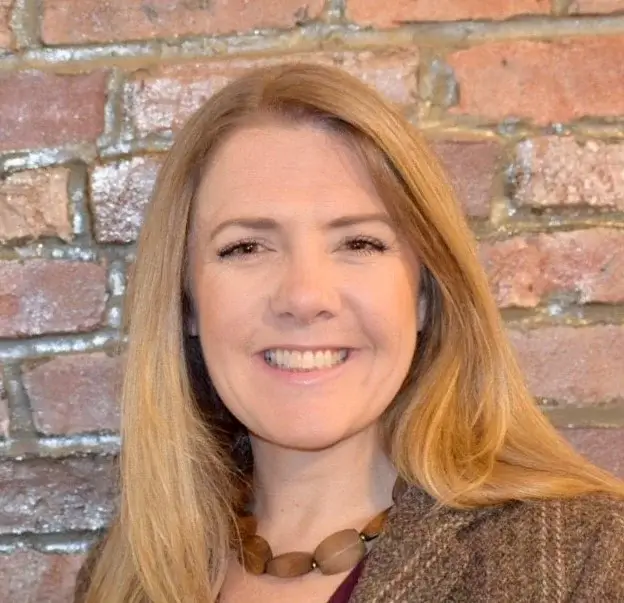
Katy Bernock is currently working as a Field Medical Director supporting Antivirals at Pfizer and has previously worked in Medical Affairs at Gilead supporting Liver Disease. Her background prior to shifting into biopharmaceuticals included non-profit administration as well as working as a primary care provider and HIV specialist, where she integrated viral infectious disease care into community-based care workflows and provided consultative services and continuing education on these topics.
Disclaimers
- The material in these reviews is from various public open access sources, meant for educational and informational purposes only
- Any personal opinions expressed are those of only the author(s) and are not intended to represent the position of any organization(s)
- No official support by any organization(s) has been provided or should be inferred